
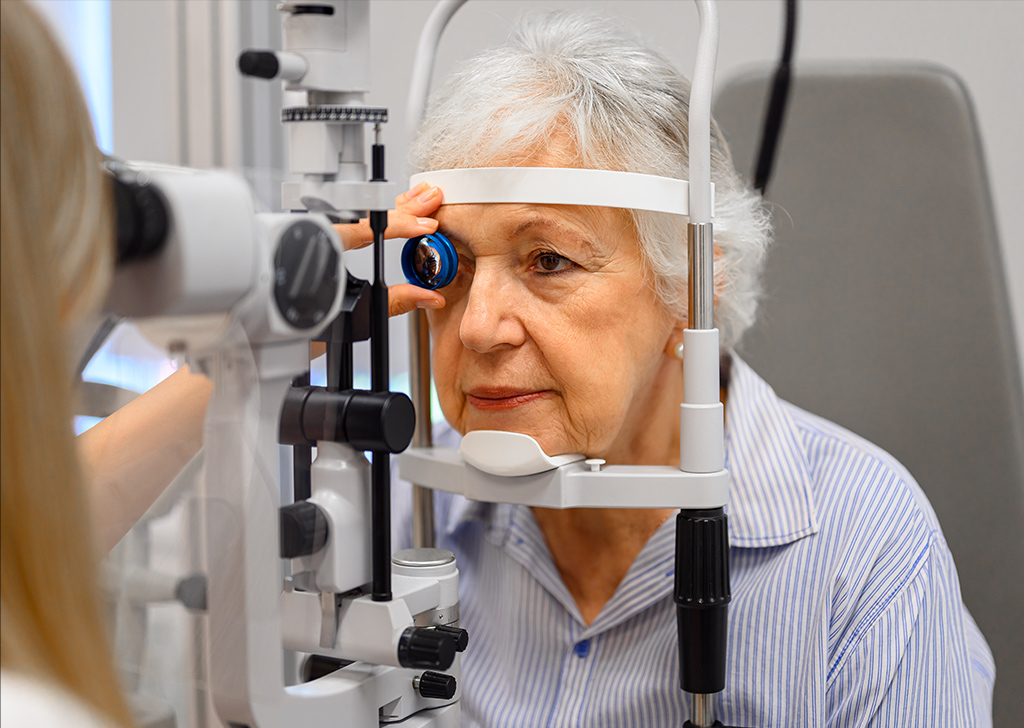
Glaucoma damages the optic nerve, usually so slowly and so painlessly that people don't notice until a meaningful amount of vision is already gone. It's one of the leading causes of blindness worldwide. It’s also one of the most treatable conditions in eye care, as long as it's caught.
We diagnose and treat glaucoma here. That's worth saying plainly, because many patients assume an optometrist finds it and sends them elsewhere. We manage a substantial number of glaucoma patients long-term: we make the diagnosis, prescribe and adjust treatment, and follow you for as long as you need us.
Why it's so easy to miss
Glaucoma takes peripheral vision first, and the brain fills in the gap. There's no blur, no pain, no red eye, no warning. People routinely lose a great deal of peripheral vision before noticing anything is wrong — and by then, it can't be recovered. That's the hard truth about glaucoma: what's already lost stays lost. Everything we do is about protecting what you still have. It's also why the diagnosis so often comes from a routine exam rather than a symptom.
Who's at higher risk
A parent, sibling, or child with glaucoma — family history is the single strongest risk factor
Age over 60, or over 40 with other risk factors
African, Caribbean, or Hispanic ancestry, which carries both higher risk and earlier onset
High eye pressure
Significant nearsightedness or farsightedness
Diabetes
Long-term steroid use
A previous eye injury
If glaucoma runs in your family, tell us. It changes how closely we watch you and how early we start. If you've been told you're a "glaucoma suspect" This is a genuinely frustrating place to be. Someone has told you your pressures are borderline, or your optic nerves look suspicious, or there's something they want to keep an eye on. You've been left without a diagnosis and without an answer. Being a suspect isn't a diagnosis, and many suspects never develop glaucoma. But some
do, and the only way to tell the difference is careful measurement over time. We'll establish a proper baseline, explain exactly what looks borderline and why, and set a follow-up schedule. You'll know where you stand rather than wondering.
If you've been in limbo somewhere else, bring whatever records you have. Old visual fields and imaging are genuinely valuable to build an accurate progression timeline.
How we diagnose it
Glaucoma isn't diagnosed by pressure alone. A meaningful number of patients have glaucoma at pressures considered normal, and plenty of people with elevated pressure never develop it. The diagnosis comes from putting several things together:
Eye pressure: measured accurately and at different times of day when needed
Corneal thickness: a thick or thin cornea changes what your pressure reading actually means
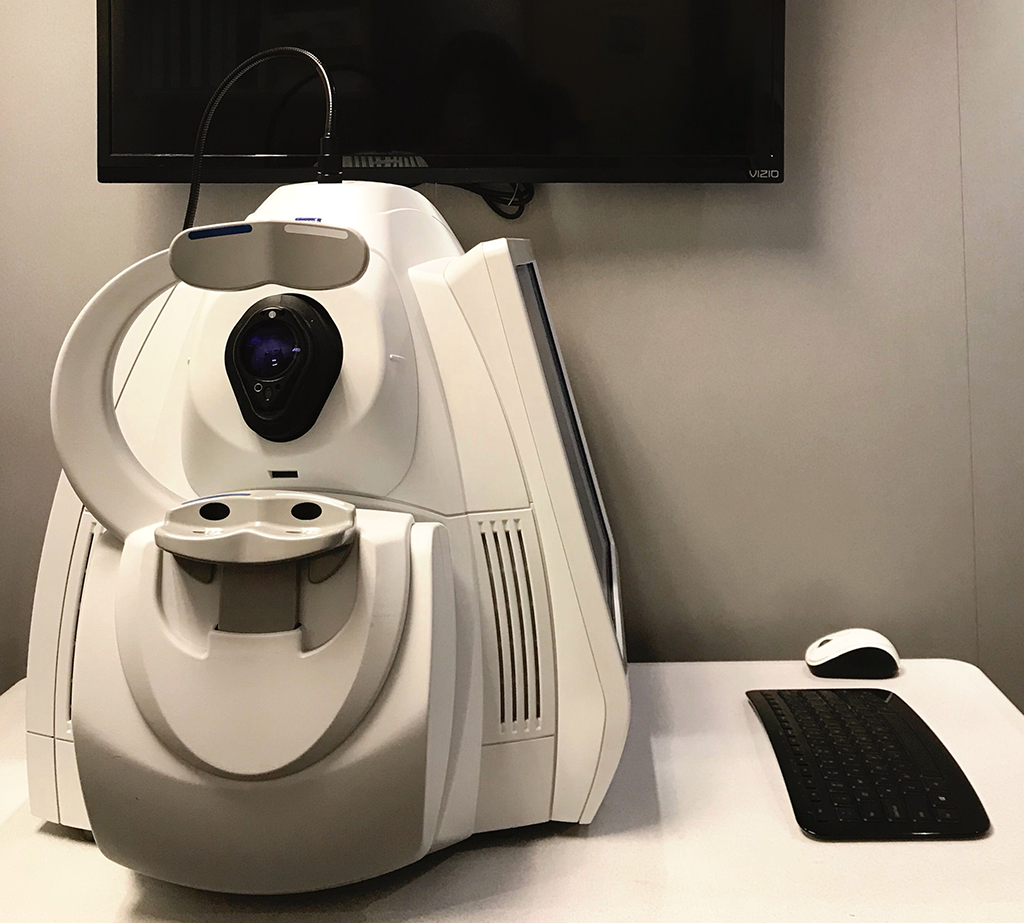
OCT: imaging of the optic nerve and the nerve fiber layer to look for structural damage
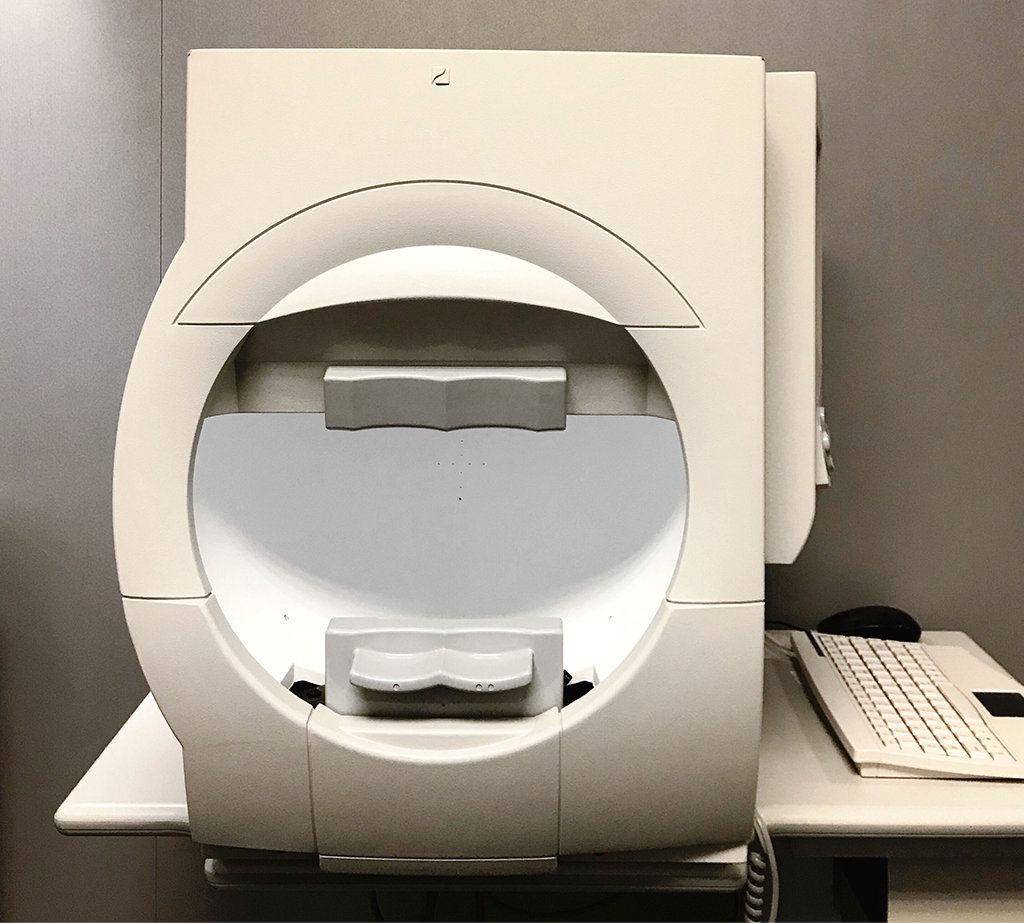
Visual field testing: shows how much function has actually been lost
Your history: family, medications, prior injuries, blood pressure
Examination of the optic nerve directly, and of the drainage angle inside your eye
Read more about the imaging on our Technology page.
How we treat it
The goal of treatment is lowering the pressure inside your eye enough to stop the damage progressing. How much lowering you need depends on how much damage there is and
how fast it's moving.
Prescription eye drops are the usual starting point, and for most patients they're enough. There are several classes with different mechanisms, and finding the combination that works for your eyes with side effects you can live with is part of what we do.
Laser treatment (SLT) is a brief in-office procedure that helps the eye drain better, lowering pressure without daily medication. It's worth considering if drops are hard to keep up with — a treatment you don't have to remember is more effective than one you do. We refer for the laser itself and keep managing your glaucoma before and after.
Surgery is reserved for glaucoma that isn't controlled by other means. If you reach that point, we'll refer you to a surgeon and stay involved in your care afterward.
What ongoing care looks like
Glaucoma is managed, not cured. Once you're diagnosed, you're a patient for life — but the visits are straightforward. Most patients are seen every three to six months, with pressure checked at each visit and imaging and visual fields repeated periodically. We're watching for change over time, which means the value of your care compounds: the longer we've followed you, the better we can tell a real shift from normal variation.
We'll always tell you where things stand. You should know your pressure, your target, and whether you're stable — not just be told everything looks fine.
About your drops
The most common reason glaucoma progresses isn't the wrong medication. It's drops that don't get taken, or don't get in the eye. We'd rather have an honest conversation about this than an optimistic one. If you're forgetting doses, struggling with the bottle, or skipping because of cost, that's a problem we can solve — a different medication, a different schedule, a generic, or laser treatment instead. Nobody here is going to lecture you.
Insurance
Glaucoma care is medical, so it's billed to your medical insurance rather than your vision plan, including the imaging and visual field testing. Most plans cover it as a diagnosed condition. See our insurance and payment information for how that works
Family history of glaucoma? Been told to keep an eye on your pressures?
Book an exam and bring any prior records you have. The earlier we establish your baseline, the more useful every visit afterward becomes.

© 2026 Beachside Optometry. All rights Reserved -
Accessibility Statement
-
Privacy Policy
-
Sitemap
Managed and Designed by 