
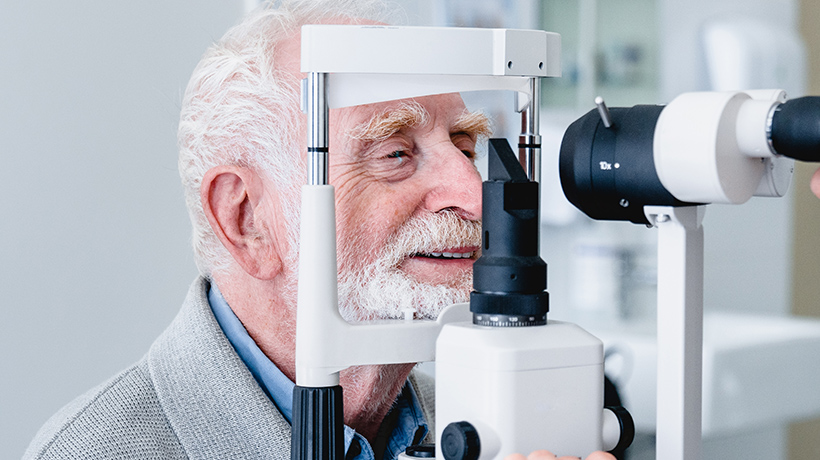
Diabetes can affect your eyes before you notice anything is wrong.
High blood sugar damages the small blood vessels in the retina. In the early stages, there's usually no pain, no blurriness, and no sign anything has changed. By the time vision is affected, the damage is harder to reverse. That's why an annual eye exam is part of standard diabetes care, whether or not you have noticed any changes to your vision.
What we look for
A diabetic eye exam checks for diabetic retinopathy, swelling in the macula, cataracts, and glaucoma, all of which are more common with diabetes. We also look for changes since your last visit, which is often the most useful information of all.
What happens at your visit
We review your history, including how long you've had diabetes, your most recent A1C if you know it, and your medications.
We check your vision and eye pressure.
We take an image of the back of your eye. Our Optos camera captures an ultra-wide view of the retina in a single image, and our Zeiss OCT takes cross-section scans that show swelling beneath the surface, before it's visible any other way.
We dilate your eyes for a full view of the retina. Dilation makes your vision blurry and light-sensitive for a few hours, so bring sunglasses and consider having someone drive you home.
We go over what we found with you before you leave, and compare it against your previous images if you've been seen here before.
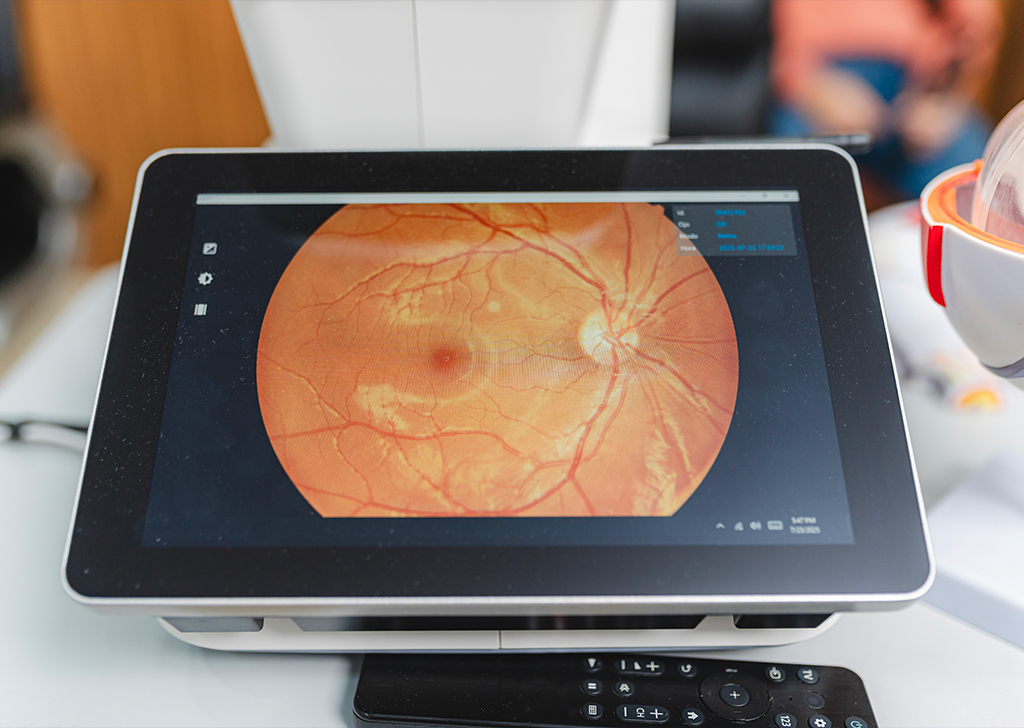
We send your results to your doctor
After your exam we send a report to your primary care doctor or endocrinologist, so your eye findings are part of your overall diabetes care. If you were referred to us, we'll make sure the referring office receives it.
How often should you come in?
Most people with diabetes should have a dilated eye exam at least once a year. Your doctor may recommend more often if we find early changes or if your blood sugar has been difficult to control. We'll tell you when to come back, and we'll send a reminder.
For referring providers
We welcome referrals for diabetic eye examinations and send a report to your office after each visit, including retinopathy staging and the presence or absence of macular edema. Fax referrals to (714) 593−1237 or call (714) 962−9377.
See Refer a Patient for forms, turnaround times, and the full list of services we accept referrals for.

© 2026 Beachside Optometry. All rights Reserved -
Accessibility Statement
-
Privacy Policy
-
Sitemap
Managed and Designed by 